
Rule of thumb: a smart opener is only worth the upgrade if it can reliably tell you the door is closed when you're not standing in front of it. Everything else — app themes, voice gimmicks, camera bundles — is secondary. The exceptions: if your area loses power often during storms, battery backup matters more than any smart feature; and if you're on a tight budget, a simple $30 sensor added to your existing opener can do 80% of the job without replacing the whole unit.
What a Smart Opener Actually Does, Day to Day
Strip away the marketing and a smart opener handles a short list of real tasks: it opens and closes the door from your phone, it tells you (accurately, if it's good) whether the door is open or closed right now, it logs who opened it and when, and it can close itself automatically if you forget. Some models let you set schedules, like auto-closing at 10pm, or trigger a light when the door opens after dark. That's the whole job. If a feature doesn't fall into one of those categories, it's probably there to justify a higher price tag.
Features That Actually Matter
Confirmed-close alerts, not just notifications
There's a difference between "the app says it's closed" and "a sensor confirmed the door is physically down." Cheaper systems sometimes just track whether the button was pressed, which tells you nothing if the door got stuck on a track obstruction. Ask specifically whether the alert is based on a position sensor at the bottom of the travel, not just a timer.
Battery backup
This matters more here than in a lot of places. Ice storms and the remnants of hurricanes moving inland both tend to knock out power for stretches, and a garage door that won't open manually when you need to get a car out is a real problem. Look for a backup battery rated for at least a dozen open/close cycles, and confirm the manual release cord still works smoothly even with the smart hardware attached.
Weatherproofing on the sensors
Heavy rain, pollen season, and the general humidity of a Triangle summer all leave a film on photo-eye sensors and exterior keypads over time. Ask whether the sensor housing is sealed against moisture and whether the manufacturer recommends periodic cleaning — if a salesperson has no idea, that's a sign the hardware wasn't designed with humid climates in mind.
Belt drive if the garage is attached
This isn't a "smart" feature exactly, but most smart openers come in both belt and chain versions. Belt drive is quieter, which matters if the garage shares a wall with a bedroom or home office, which is common in a lot of local houses with attached garages.
Reliable connection in a weak-signal garage
Garages are often the farthest point from the router, and dense tree cover (plenty of pine around here) can add to signal problems. Ask whether the opener connects over your home Wi-Fi or its own dedicated radio signal to a hub — hub-based systems tend to be more reliable in detached garages or homes with thick exterior walls.
Features You Can Mostly Ignore
- Built-in cameras — if you already have a doorbell camera or driveway camera, this is redundant hardware you're paying extra for.
- Deep voice assistant integration — "open the garage door" is useful; elaborate voice routines rarely get used after the first week.
- Color-changing lighting or app themes — cosmetic, no functional value.
- Bragging-rights app features like usage graphs or social sharing — nice for a demo, irrelevant to actually using your garage.
Questions to Ask Before You Buy or Install
- Does this retrofit onto my current motor, or does it require a full opener replacement?
- How many hours or cycles does the battery backup actually provide during a power outage?
- Does the connection rely on home Wi-Fi reaching the garage, or does it use its own hub or signal booster?
- What's covered under warranty — just the motor, or the sensors and logic board too?
- Can I set up separate access codes for different people, like a dog walker or landscaper, and see a log of who used which code?
Weather Factors Worth Planning Around
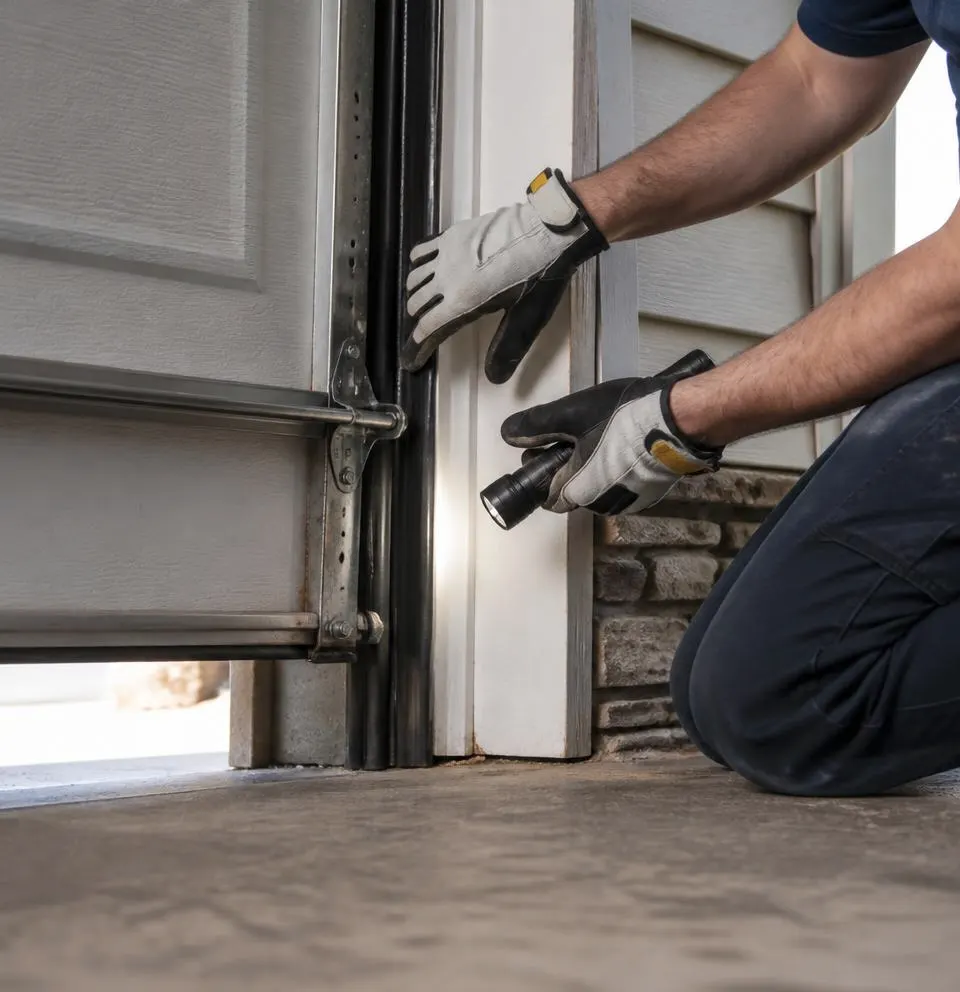
As the Triangle heads into cooler months, a couple of seasonal things are worth checking before you install anything new. Humidity swings between summer and fall can cause wooden doors to swell slightly, which throws off sensor alignment even on a brand-new smart system — if the door reverses for no clear reason, check alignment before assuming the electronics are at fault. Heading into winter, confirm the opener's manual release still functions smoothly in cold temperatures, since stiff cables and frozen tracks are a common cause of "my smart opener stopped working" calls that actually have nothing to do with the smart hardware at all.
When to Call Chapel Hill Garage Door Pro
If your current opener struggles to hold a connection, reverses unpredictably, or the manual release feels stiff or stuck, that's worth a look before you spend money on a smart upgrade that will inherit the same problems. We handle Garage Door Opener Service to diagnose whether the issue is mechanical (tracks, alignment, springs) or electrical before recommending a replacement, and we offer Garage Door Installation if you want a smart-compatible opener set up correctly the first time, including battery backup wired in and sensors positioned to handle local humidity and debris.
If you're in Chapel Hill, Carrboro, Durham, Hillsborough, Pittsboro, Mebane, Burlington, or Morrisville and want a straight answer on whether a smart opener makes sense for your setup, give us a call — we'll tell you what's actually worth the money and what isn't.